Museums are concentrated efforts to preserve and explore the past in a public setting. They also exist to educate and entertain others about the past. Mike Wallace in Mickey Mouse History explores the history of museums in America, and he elucidates how developments in public history reflect changes in American society.
For instance, museums functioned as unifying cultural sites for the fledgling American government on the eve of the Civil War.
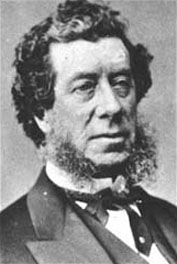 |
| "It will be good for our citizens in these days when we hear the sound of disunion reiterated from every part of the country...to chasten their minds by reviewing the history of our revolutionary struggle." - Governor Hamilton Fish on the preservation of George Washington's revolutionary head quarters in 1850. |
Of course, these efforts proved ineffective seeing as the civil war broke out, but the museums/cultural shrines reflect the government's desire for strong unity among the states. Of course, the focus of the museums have changed over the years, and museums differ in their representations of history depending upon the roots of the museum. For instance, local efforts in New York City lead to the creation of museums focusing on Latino, Asian, and African history. This reflects how Americans are coming to understand themselves as not strictly American, but rather as Asian/African/Latino etc American. This also demonstrates how minority groups within America develop differently from the majority group. Furthermore, the rise of such minority-focused museums reflect how Americans are becoming more understanding of the complexities of American society. American history is not simply the history of presidents and generals, but also of common men, women, members of the LGBT+ community, and immigrant people.
 |
| Signs of progress! |
Though there has been much progress in museums, museums often struggle to fully encompass the complexity of what they represent. For instance, in Colonial Williamsburg, they "set the story of the black slaves alongside the story of the planters. What they were less willing to tackle were the relations between those classes" (23). A history of a colonial plantation exempting the relations between various groups fails to capture the complexity of the time, but representation of various groups does show progress from the original strict representation of only "great white men."
American public history does show great signs of progress that give me great hope, but I am confident in saying that American public history has a long way to go, as do all historians. So far, Wallace's book is proving to be a great, enlightening read, and I'll be sure to keep everyone posted on my thoughts.

I really like how you chose to encompass all the different types of people previously excluded from the "top-down" view of history in your discussion. Also, I think the fact that you analyzed why different museums would have different reasons for including certain groups over others lends more explanation to your post.
ReplyDeleteI agree with Maggie - I think that your focus on the importance of what a "bottom-up" approach brings to museum work is refreshing, and one of the main points that Wallace has in Mickey Mouse History. I also liked that you pointed out that not all museums are doing this perfectly - especially Colonial Williamsburg which (while it will always have a soft spot in my heart) is not exactly like colonial life. Really great job!
ReplyDeleteI agree with Maggie and Angeline. I think that you did a good job of reading Wallace critically and choosing to focus and comment on specific parts of the reading. I almost chose the examples that you did! I guess great minds think alike:)
ReplyDelete